
A beautiful outdoor space is not created with patios, pathways, and retaining walls alone. Plants, trees, flowers, lawns, and garden beds bring color, texture, movement, and seasonal interest to a landscape. These living elements are the foundation of softscape design. Softscape landscaping services focus on planning, installing, and maintaining the living parts of an outdoor environment. From selecting plants suited to the local climate to creating balanced garden layouts, thoughtful softscaping can make a property feel more inviting and connected to nature.
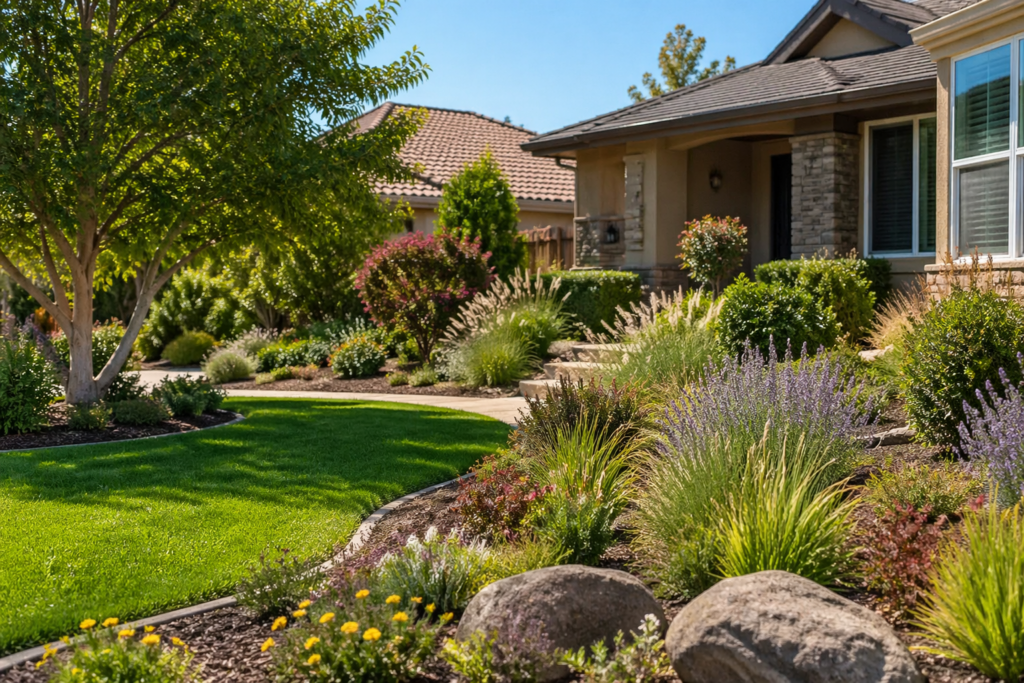
BYC Landscaping provides carefully planned softscape services for homeowners who want outdoor spaces that are attractive, functional, and easier to maintain.
What Are Softscape Landscaping Services?
Softscape landscaping services cover the living and horticultural elements of landscape design. Unlike hardscaping, which includes permanent features such as patios, walkways, walls, and outdoor structures, softscaping involves materials that grow and change over time.
Common softscape elements include grass, trees, shrubs, flowering plants, ground cover, mulch, soil, and garden beds. A successful softscape plan considers sunlight, soil conditions, available space, drainage, plant growth patterns, and ongoing maintenance requirements.
The goal is not simply to add more plants. Good softscape design creates balance between different plant varieties while ensuring each species has suitable growing conditions.
What Do Softscape Services Include?
The exact scope of softscape services depends on the size and condition of the property. A landscape may need a complete planting plan, while another property may only require improvements to existing garden areas.
Typical services may include lawn installation, tree and shrub planting, flower bed design, seasonal planting, soil preparation, mulching, ground cover installation, and plant replacement.
Before installation begins, the landscape should be evaluated carefully. Factors such as sunlight exposure, irrigation availability, soil quality, drainage patterns, and mature plant size can influence the final design.
Plant and Flower Bed Design
Garden beds add depth and visual interest to an outdoor space. However, randomly selecting attractive plants does not always create a successful landscape.
Plant selection should consider color combinations, flowering seasons, mature size, water requirements, and sunlight needs. Combining plants with different heights and textures can create a layered appearance without making the garden feel overcrowded. BYC Landscaping can develop planting arrangements that complement the architecture of the property and the existing landscape features.
Tree and Shrub Installation
Trees and shrubs provide structure within a softscape design. Depending on their placement, they can create shade, define property areas, add privacy, or serve as natural focal points.
Choosing the correct location is important because young plants can grow significantly over time. Planting too close to structures, pathways, fences, or other vegetation may create maintenance problems later.
Careful planning helps trees and shrubs become long term parts of the landscape rather than temporary additions.
Lawn Installation and Improvement
A healthy lawn can visually connect different sections of a landscape. Softscape landscaping services may include new lawn installation, sod placement, lawn restoration, or improvements to damaged grass areas.
Before installing a lawn, soil preparation and drainage conditions should be reviewed. Grass selection should also match the property’s sunlight exposure and expected level of use.
Proper preparation during installation can support healthier root development and more consistent lawn coverage.
Soil Preparation and Mulching
Healthy plant growth begins below the surface. Soil that is compacted, poorly drained, or lacking suitable nutrients may prevent plants from developing strong root systems.
Soil preparation can involve loosening planting areas, improving drainage, and adding suitable organic material when required.
Mulch is commonly applied around trees, shrubs, and garden beds. It can help retain soil moisture, reduce weed growth, and create a cleaner appearance around planting areas.
Why Is Professional Softscape Planning Important?
Every plant has different requirements. Some plants prefer direct sunlight, while others perform better in partial shade. Certain species need frequent watering, while others are more suitable for lower water use landscapes.
Professional planning helps place plants where their growing conditions are more suitable. It also considers how the landscape will change as trees, shrubs, and other plants mature.
A well planned landscape can reduce unnecessary plant replacement and make routine maintenance more manageable.
How Softscaping Complements Hardscaping
Softscaping and hardscaping work best when planned together. Hardscape elements create structure and usable areas, while plants soften those structures and add natural character.
For example, planting beds can soften the edges of a patio, shrubs can add greenery near a retaining wall, and trees can provide natural shade around outdoor seating areas.
The right combination creates an outdoor environment that feels organized without appearing overly rigid.
Choosing Softscape Landscaping Services for Your Property
Before starting a softscape project, consider how you want to use the outdoor area. A family yard may require open lawn areas and durable plants, while a garden focused property may prioritize seasonal color and layered planting beds.
Maintenance preferences are equally important. If you prefer a landscape that requires less frequent care, plant selection and garden layout should reflect that goal from the beginning.
BYC Landscaping works with property owners to develop softscape services based on the site conditions, available space, design preferences, and practical maintenance needs.
Frequently Asked Questions About Softscape Landscaping Services
What is the difference between softscape and hardscape landscaping?
Softscape landscaping includes living elements such as grass, trees, shrubs, flowers, and ground cover. Hardscaping includes permanent, non living features such as patios, pathways, retaining walls, and outdoor structures.
What is included in softscape landscaping services?
Softscape landscaping services may include plant selection, tree and shrub installation, lawn installation, flower bed design, soil preparation, mulching, ground cover planting, and seasonal landscape improvements.
How do I choose the right plants for my landscape?
Plant selection should be based on sunlight, soil conditions, available space, irrigation, local climate, and maintenance preferences. Mature plant size should also be considered before installation.
Can softscape services improve an existing yard?
Yes. Existing landscapes can be improved by replacing struggling plants, redesigning garden beds, installing new shrubs or trees, restoring lawn areas, and improving the balance between different landscape elements.
How often does a softscape landscape need maintenance?
Maintenance frequency depends on the plants used and the overall landscape design. Tasks may include watering, pruning, mowing, mulching, fertilizing, weed control, and seasonal plant care.
When is the right time to start a softscape project?
The ideal timing depends on the local climate and the types of plants being installed. Many planting projects are scheduled during seasons with moderate temperatures to support root development and reduce stress on new plants.
Are softscape services suitable for small yards?
Yes. Small yards can benefit from carefully selected plants, vertical planting ideas, compact shrubs, ground cover, and strategically designed garden beds. Good planning helps make limited outdoor space feel organized and visually balanced.