
Concrete Services in California | Custom Design, Repair & Protection
Concrete is one of the hardest working materials on California properties, but constant UV exposure, temperature changes, seasonal rain, and shifting soil can cause damage over time. At BYC Landscaping, we design, install, repair, and protect concrete surfaces with solutions built specifically for California’s climate. Whether you need a custom concrete design, stamped concrete, staining and sealing, or reliable concrete repairs, we deliver quality craftsmanship, durable materials, and results made to last.
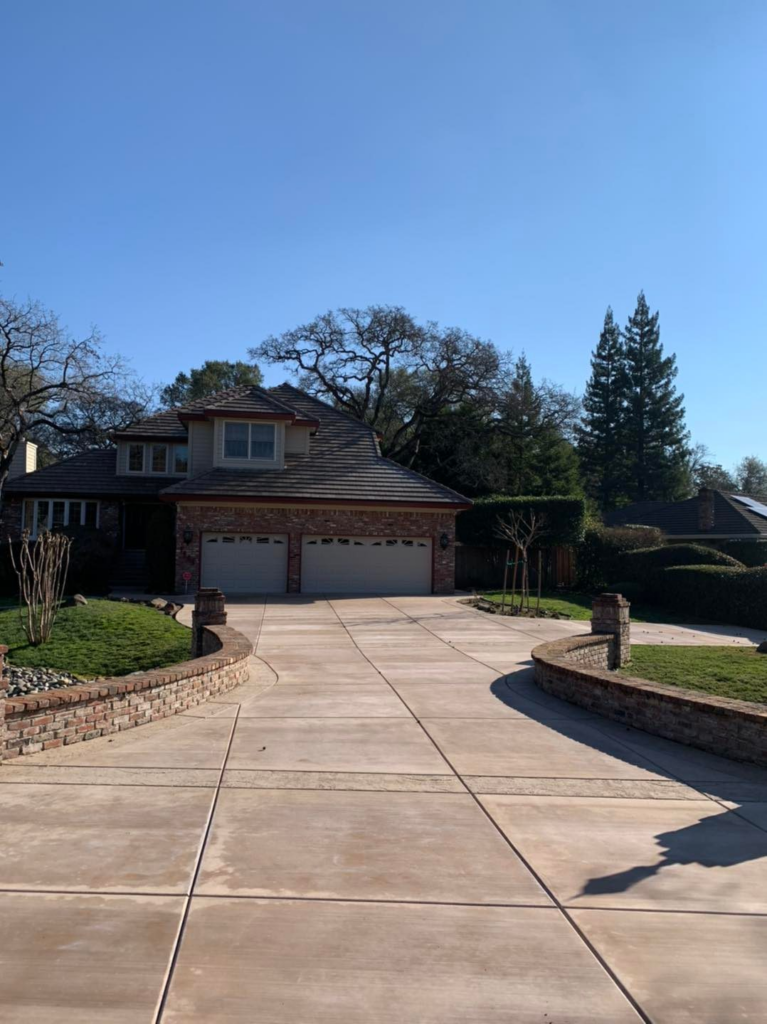
Concrete Services Built for California's Climate
California isn’t one climate it’s dozens. Coastal fog, Central Valley heat, high-desert dryness, and mountain freeze-thaw cycles all place different demands on concrete. A slab poured the same way everywhere will not perform the same way everywhere. That’s why every BYC Landscaping project starts with a site-specific evaluation: soil conditions, sun exposure, drainage patterns, and how the surface will actually be used day to day.
Key takeaway: Concrete that looks identical on installation day can age completely differently depending on regional climate, sun exposure, and how it was prepared underneath. Site-specific planning is what prevents early cracking, fading, and surface failure.
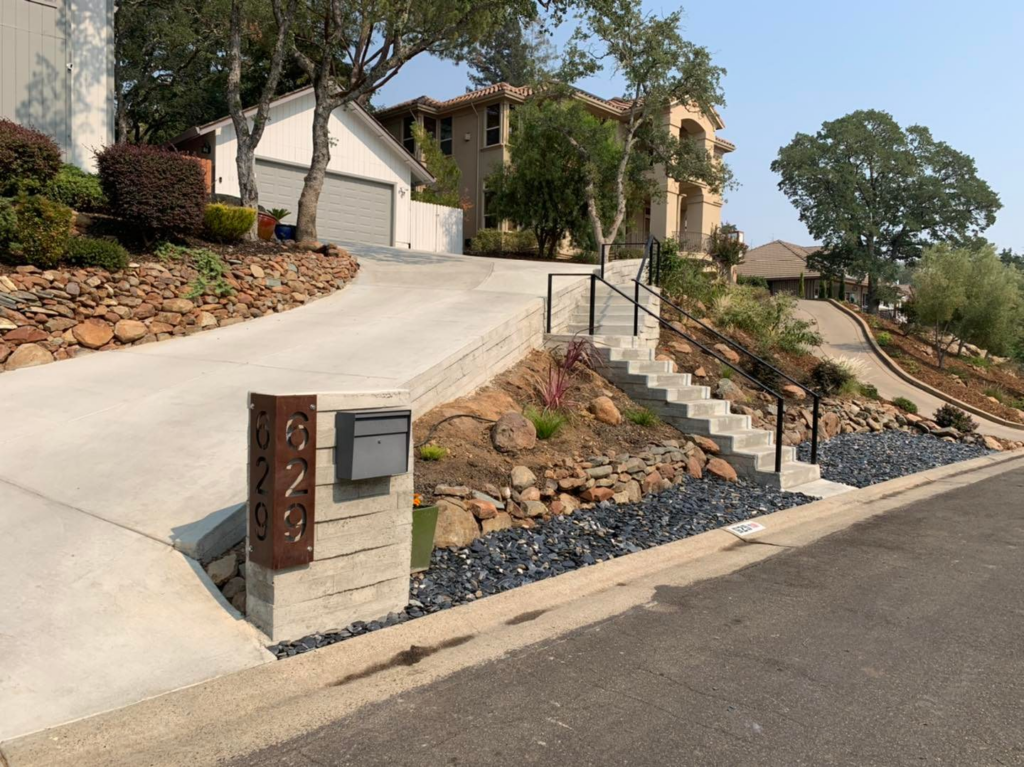
Why Choose BYC Landscaping
- Licensed, experienced concrete professionals who treat concrete as an integrated part of your outdoor landscape not an isolated slab.
- Climate-informed methods built around California's UV exposure, heat, and seasonal rain rather than generic national playbooks.
- Transparent project communication from estimate through final inspection.
- Quality materials and proper curing practices, not shortcuts that show up as cracking or fading within a year or two.
- Seamless integration with our hardscape, softscape, lighting, and shade structure services for a cohesive outdoor project.
Our Concrete Services
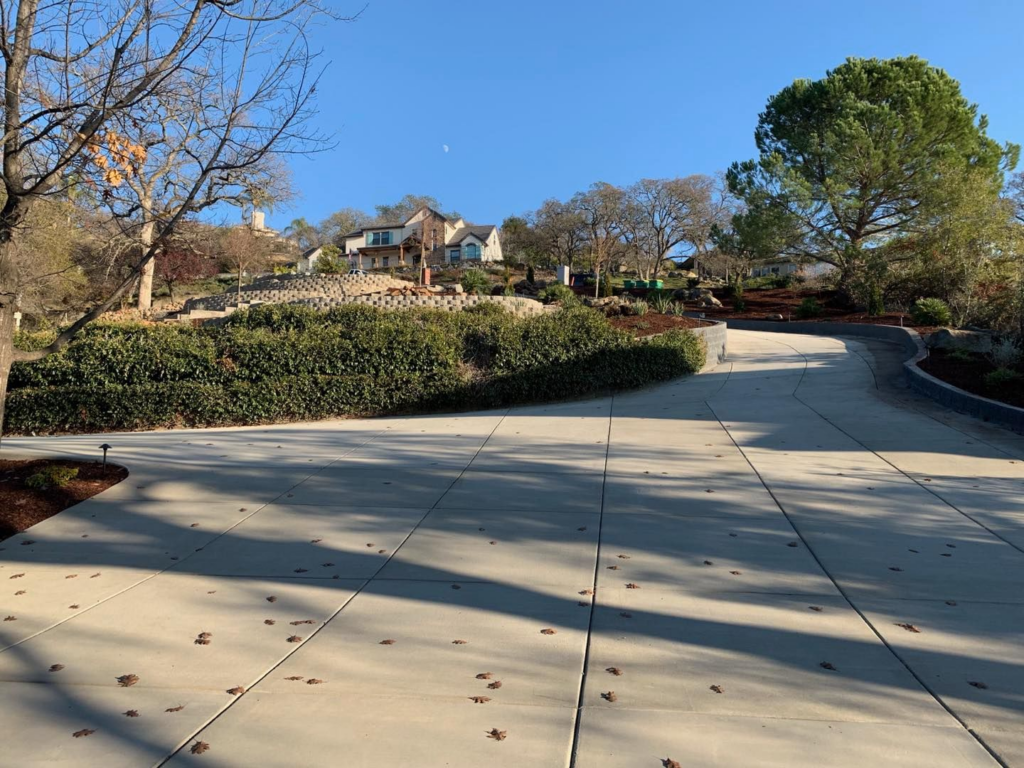
Concrete Custom Design
Create a driveway, patio, or walkway designed specifically for your property—not a standard concrete slab.
- Benefits: Custom layouts, improved drainage, enhanced curb appeal, and multiple finish options.
- Process: Site evaluation → Design planning → Finish selection → Installation → Curing → Final inspection.
- Ideal For: New driveways, patios, walkways, pool decks, and full concrete replacements.
- Cost Factors: Project size, grading, accessibility, reinforcement, finish, and permits.
- Maintenance: Regular cleaning, periodic sealing, and timely crack repairs.
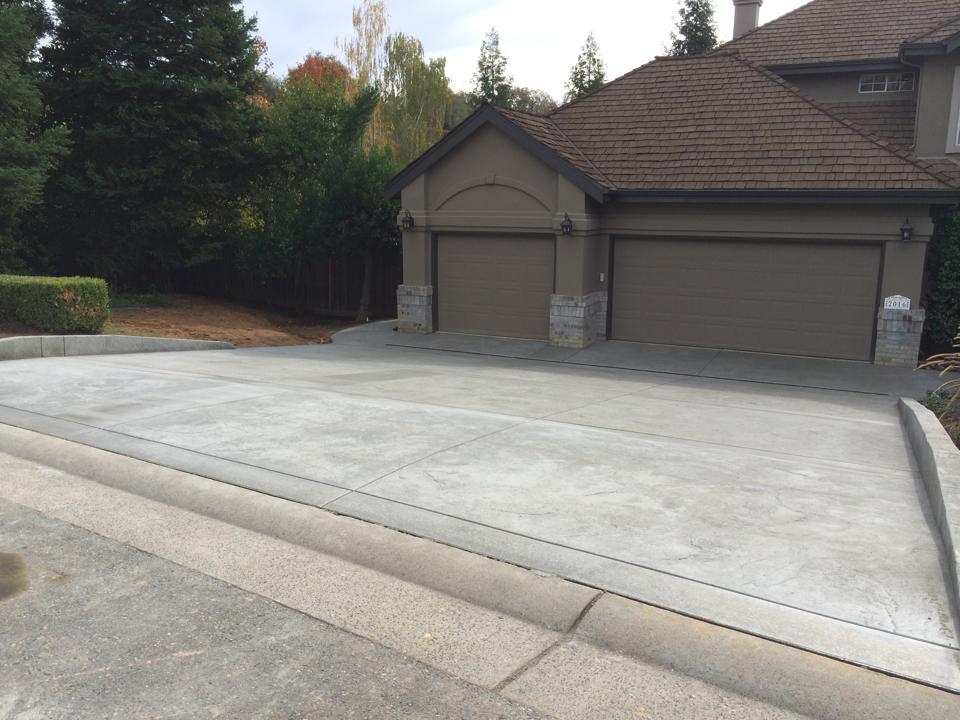
Concrete Stamping
Stamped concrete delivers the appearance of stone, brick, slate, or wood with the durability of concrete.
- Benefits: Decorative finish, lower cost than natural materials, and excellent curb appeal.
- Process: Surface preparation → Color application → Stamping → Detailing → Curing → Sealing.
- Ideal For: Driveways, patios, walkways, and pool decks.
- Cost Factors: Pattern, color options, surface size, and new installation vs. overlay.
- Maintenance: Reseal every 2–3 years to protect color and texture.
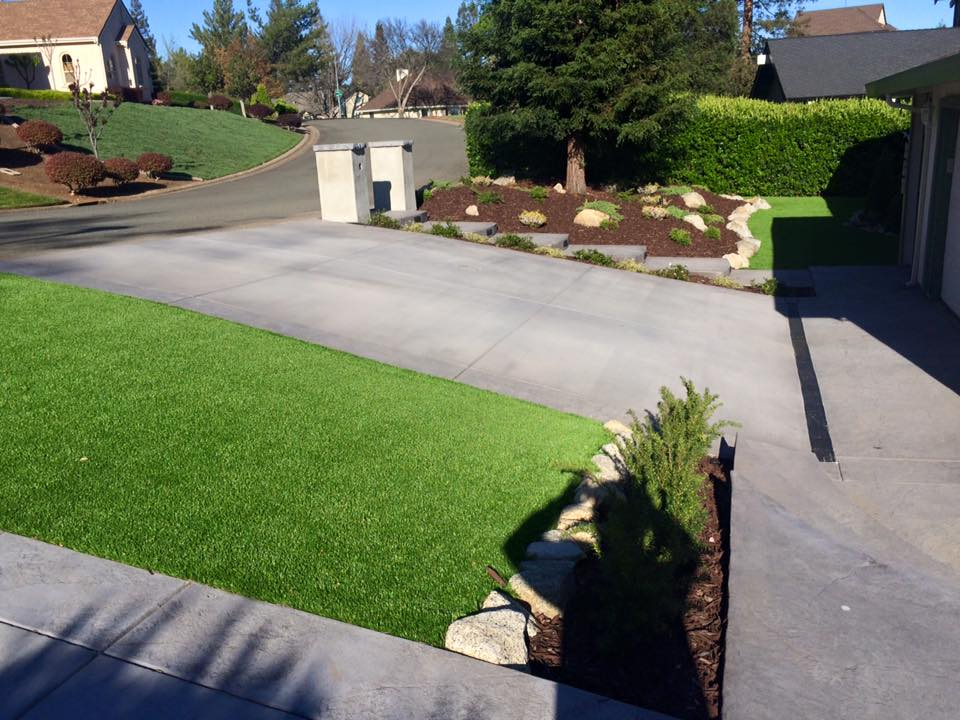
Concrete Restoration
Restore worn or faded concrete without the expense of complete replacement.
- Benefits: Cost-effective, faster than replacement, and extends concrete life.
- Process: Inspection → Cleaning → Crack repair → Resurfacing/overlay → Sealing.
- Ideal For: Structurally sound concrete with surface wear or discoloration.
- Cost Factors: Damage level, resurfacing needs, and drainage corrections.
- Maintenance: Clean regularly and reseal as recommended.
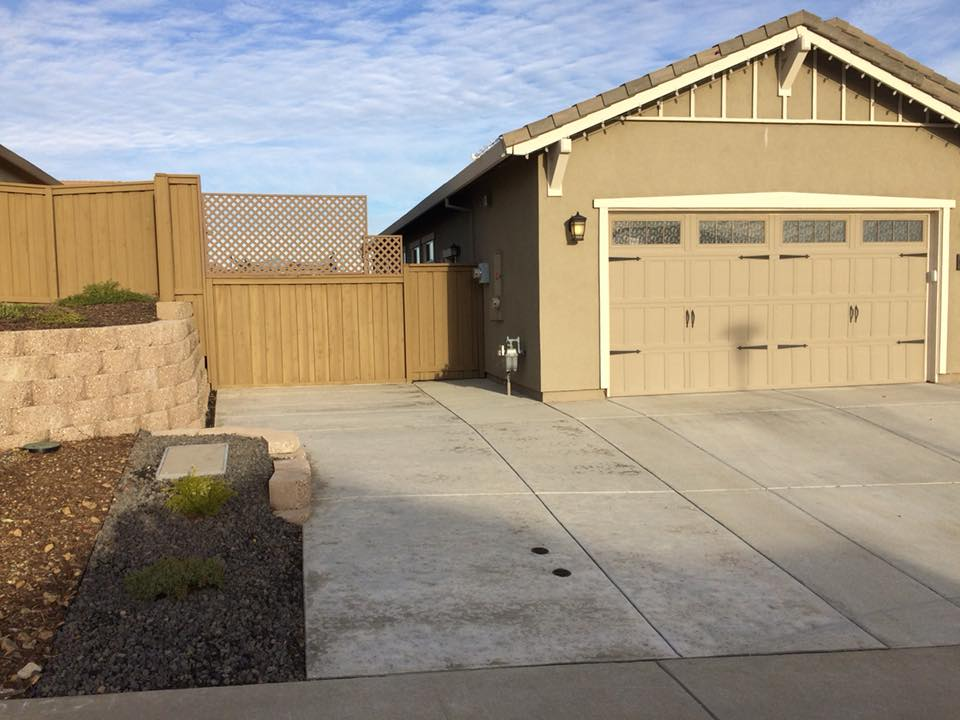
Concrete Staining & Sealing
Refresh existing concrete with rich color while protecting it from moisture and UV damage.
- Benefits: Improved appearance, longer lifespan, and added weather protection.
- Process: Surface preparation → Repairs → Staining → Drying → Sealing.
- Ideal For: Driveways, patios, garage floors, and pool decks.
- Cost Factors: Stain type, preparation work, and sealer quality.
- Maintenance: Reseal every 1–3 years based on traffic and sun exposure.
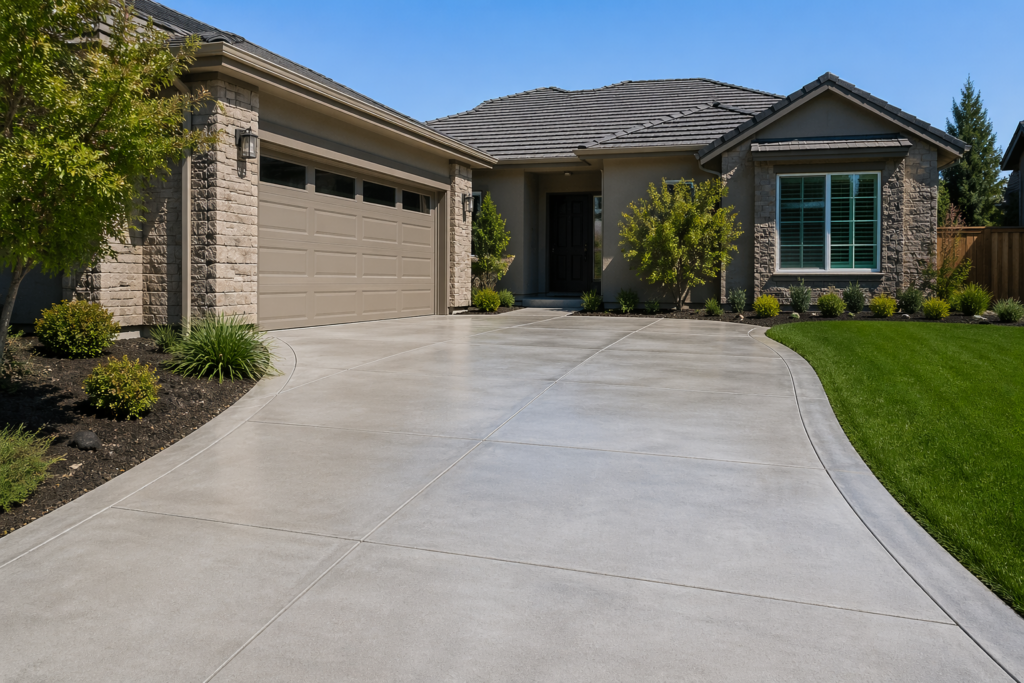
Concrete Repair
Repair cracks, spalling, and uneven surfaces before they become costly problems.
- Benefits: Prevents further damage, improves safety, and extends slab life.
- Process: Inspection → Crack or section repair → Leveling → Finish matching → Sealing.
- Ideal For: Cracked driveways, patios, garage floors, and settled concrete.
- Cost Factors: Damage severity, underlying issues, and finish matching.
- Maintenance: Inspect seasonally and reseal when needed.
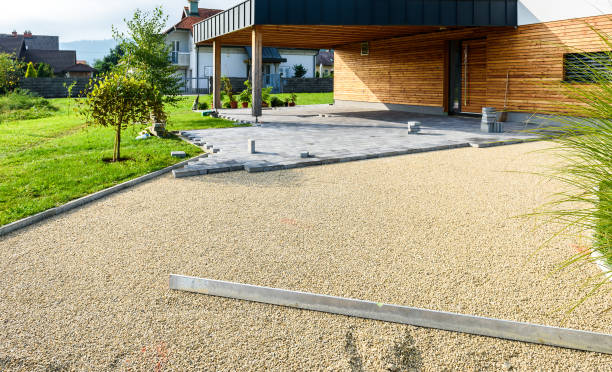
Epoxy Coatings
Protect concrete with a durable, stain-resistant finish for garages and other high-use areas.
- Benefits: Resistant to chemicals, stains, and wear while providing an easy-to-clean surface.
- Process: Surface preparation → Repairs → Primer → Epoxy coating → Optional decorative finish → Topcoat.
- Ideal For: Garage floors, workshops, patios, and commercial spaces.
- Cost Factors: Surface preparation, coating system, and project size.
- Maintenance: Clean with pH-neutral products for long-lasting performance.
Concrete Overlays
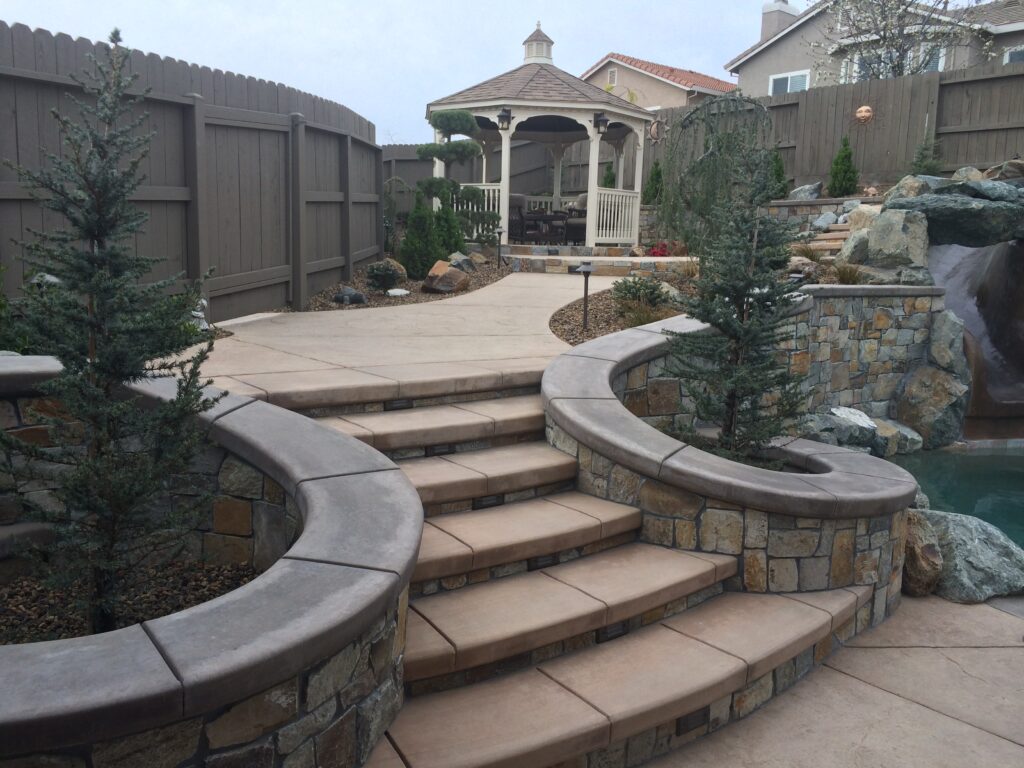
Upgrade existing concrete with a decorative overlay instead of replacing the entire slab.
- Benefits: Lower cost than replacement, faster installation, and customizable finishes.
- Process: Inspection → Surface preparation → Bonding → Overlay application → Curing → Sealing.
- Ideal For: Structurally sound concrete with cosmetic wear.
- Cost Factors: Overlay thickness, finish, and slab condition.
- Maintenance: Clean regularly and reseal as needed.
Weather Protection
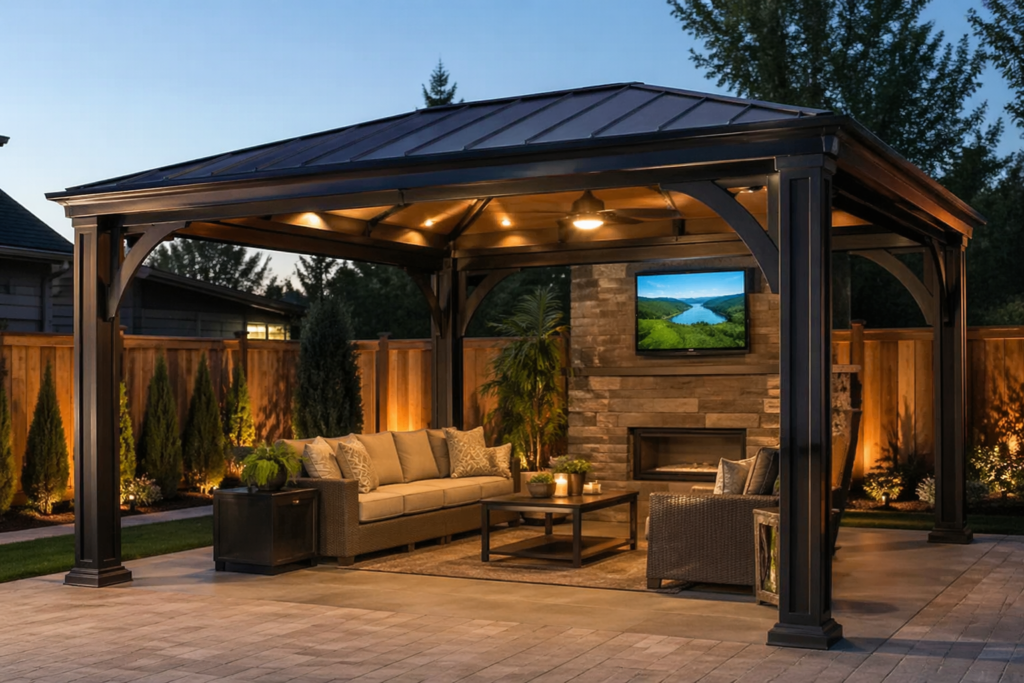
Protect concrete from California’s harsh sun, heat, rain, and changing weather conditions.
- Benefits: Reduces fading, moisture damage, and surface deterioration while extending concrete life.
- Process: Surface evaluation → Sealer selection → Professional application → Joint protection.
- Ideal For: Driveways, patios, pool decks, walkways, and other outdoor concrete.
- Cost Factors: Sealer type, surface size, and regional weather exposure.
- Maintenance: Periodic resealing based on climate and usage.
Why California Concrete Needs Climate-Specific Care
UV Exposure & Heat
Concrete left unsealed or under-sealed in high-sun California regions fades faster, chalks on the surface, and becomes more porous over time — which then accelerates every other form of damage. UV-stable sealers and proper reseal timing are not optional upgrades here; they’re baseline protection.
Rain, Drainage & Seasonal Moisture
Even in drier regions, California gets concentrated seasonal rain. Concrete that wasn’t graded and jointed correctly traps water at the base, which drives cracking, heaving, and edge erosion. Good drainage planning during design is cheaper than repairing water damage later.
Property Value Impact
Driveways and patios are among the first things buyers and appraisers notice. Well-executed, well-maintained concrete measurably supports curb appeal and resale value, while cracked, faded, or uneven concrete does the opposite — often disproportionately to its actual repair cost.
Cost Factors for Concrete Projects in California
| Factor | Why It Matters |
|---|---|
| Square footage | Primary driver of material and labor cost |
| Site accessibility | Difficult access can increase equipment and labor time |
| Existing slab condition | Determines repair vs. overlay vs. full replacement |
| Finish complexity | Multi-color stamping and custom patterns take more labor than broom or smooth finishes |
| Reinforcement type | Rebar generally costs more than wire mesh but performs better under stress |
| Sealer/coating grade | UV-enhanced and heat-reflective sealers cost more upfront but reduce resealing frequency |
| Drainage corrections | Regrading or adding drains before the pour prevents costlier repairs later |
| Permitting | Some California municipalities require permits for driveway or structural work |
Maintenance Guide by Service Type
| Service | Routine Care | Reseal/Recoat Interval |
|---|---|---|
| Stamped Concrete | Sweep, rinse, avoid harsh chemical cleaners | Every 2–3 years (more often in high UV) |
| Staining & Sealing | pH-neutral cleaning, prompt attention to scratches in sealer | Every 1–3 years |
| Overlay | Same as stamped/stained finish above it | Matches the finish applied |
| Epoxy Coating | Mild soap and water, avoid harsh solvents | 10+ years for quality systems; spot-recoat as needed |
| Custom/Broom-Finish Concrete | Sweep, rinse, prompt crack monitoring | Sealer refresh every 3–5 years |
| Repaired Areas | Monitor seasonally for recurrence of original cause | Match surrounding surface's cycle |
Our Process
Choosing the right outdoor lights can make a significant difference in how your property looks and feels at night. Different areas require different lighting styles depending on their purpose and design goals.

Consultation & Site Evaluation
we assess soil, drainage, sun exposure, and existing conditions before recommending anything.

Design & Material Selection
layout, finish, color, and protection system chosen to match your property and California's local climate demands.

Preparation
grading, forming, reinforcement, or surface profiling depending on the service.

Installation, Repair, or Coating Application
completed by an experienced crew with attention to curing conditions specific to your region's weather.

Final Inspection & Walkthrough
we review the finished work with you before calling the project complete.
Ongoing Guidance
we provide a maintenance timeline so you know what to expect and when.
Start Your Concrete Project with BYC Landscaping
From a brand-new custom driveway to an emergency crack repair, BYC Landscaping brings honest assessment and climate-appropriate craftsmanship to every concrete project across California. Contact us today for a free consultation and estimate.
Frequently Asked Questions
How much does concrete resurfacing cost in California?
Cost depends on the slab condition, project size, and finish. Overlays are usually more affordable than full replacement. A site inspection provides the most accurate estimate.
What's the difference between concrete stamping and a concrete overlay?
Stamping creates decorative patterns, while an overlay is a resurfacing layer. A stamped overlay combines both.
How long does stamped concrete last in California?
With resealing every 2–3 years, stamped concrete can last 20–25 years or more.
Is epoxy coating worth it for a garage floor?
Yes. It resists stains, chemicals, and wear, but proper surface preparation is essential for long-lasting results.
How often should I reseal my concrete driveway?
Most decorative concrete should be resealed every 2–3 years, while standard concrete typically lasts 3–5 years between sealings.
Can cracked concrete be repaired instead of replaced?
Yes, if the slab is structurally sound. Minor cracks are usually much less expensive to repair than replace.
What causes concrete driveways to crack in California?
Common causes include poor base preparation, tree roots, shifting soil, inadequate reinforcement, and drainage issues.
Do I need a permit for a new concrete driveway in California?
It depends on local city or county regulations. Your contractor can confirm permit requirements.
What's the best concrete finish for a pool deck?
Stamped or textured concrete offers good slip resistance and stays cooler with lighter-colored finishes.
How long does a stained concrete driveway keep its color?
The stain is long-lasting, but the protective sealer should be reapplied every 1–3 years.