
Pool Builders in California: Custom Pool Installation & Pool Services
Building a pool in California requires careful planning due to expansive soils, seismic standards, strict safety codes, and local permitting requirements. Byclandscaping handles the entire process—from design and engineering to construction and the surrounding outdoor living space—as one seamless project.
This guide explains how we build pools, what’s included in installation, the factors that affect cost, and how to choose the right pool contractor for your project.
Why Homeowners Choose Byclandscaping
Most pool companies build pools. Most landscape companies build backyards. Byclandscaping does both under one contract, which matters more than it sounds like it should.
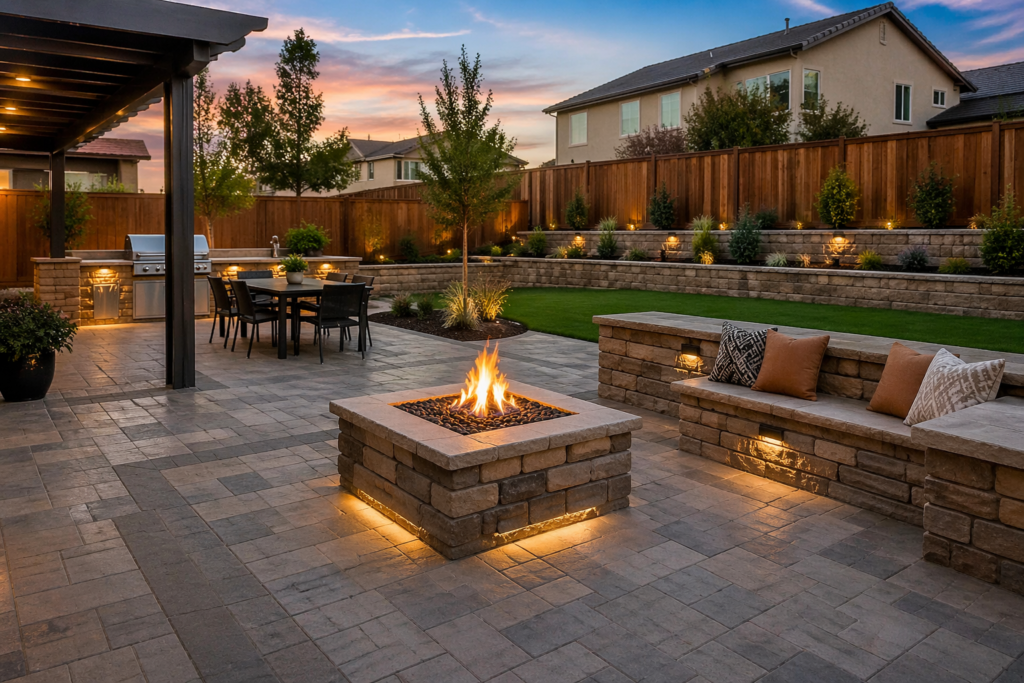
A pool that’s engineered well but sits in a backyard with no drainage plan, no deck transition, and mismatched landscaping isn’t actually finished — it’s a hole in the yard with water in it. We design the pool and the space around it together from day one: grading and drainage, deck material and elevation changes, planting beds, lighting, and hardscape all get planned against the pool shell, not bolted on afterward.
What that means for you as the homeowner:
- One point of contact, not a pool sub and a landscaper who don't talk to each other
- One coordinated permit and engineering process, instead of overlapping applications
- One project timeline, so the pool and the yard around it finish together
- One warranty conversation, instead of finger-pointing between trades if something goes wrong at the boundary between pool and hardscape
Our Pool Construction Services

Custom Pool Design
Every pool starts with a design conversation, not a catalog. We plan around your lot's shape, slope, soil, sun exposure, and how you'll use the space. Before construction begins, you'll review a rendering so the layout, scale, and integration with your yard are clear.

Luxury Pools
Luxury pools can include raised spas, vanishing edges, natural stone coping, fire features, and custom water elements. For us, true luxury means lasting craftsmanship and engineering—not just an impressive first impression.

Infinity Pools
Infinity (vanishing edge) pools use a catch basin and secondary pump to recirculate overflowing water. Because they require precise engineering and the right site conditions, we'll honestly assess whether your property is a good fit before design begins.

Family Pools
Family pools prioritize safety, comfort, and durability with depth zones, tanning ledges, non-slip decking, and code-compliant barriers. They're designed for easy maintenance and years of everyday use.

Concrete (Gunite) Pools
Gunite pools are the most common in-ground option in California because they allow custom shapes, depths, and features while performing well in local soil conditions. Construction typically takes 8–12 weeks, depending on permits and design complexity.

Pool Installation
we provide a maintenance timeline so you know what to expect and when. Our installation process includes excavation, steel reinforcement, plumbing, electrical, gunite, tile, coping, decking, and the final interior finish. We manage every phase through our cand trusted trade partners to keep the project on schedule.

Pool Renovation & Remodeling
Older pools can often be transformed without a full rebuild. Services like replastering, retiling, deck resurfacing, equipment upgrades, and new features can refresh your pool at a lower cost and in less time than new construction, while addressing the unique condition of the existing structure.
Outdoor Living Integration
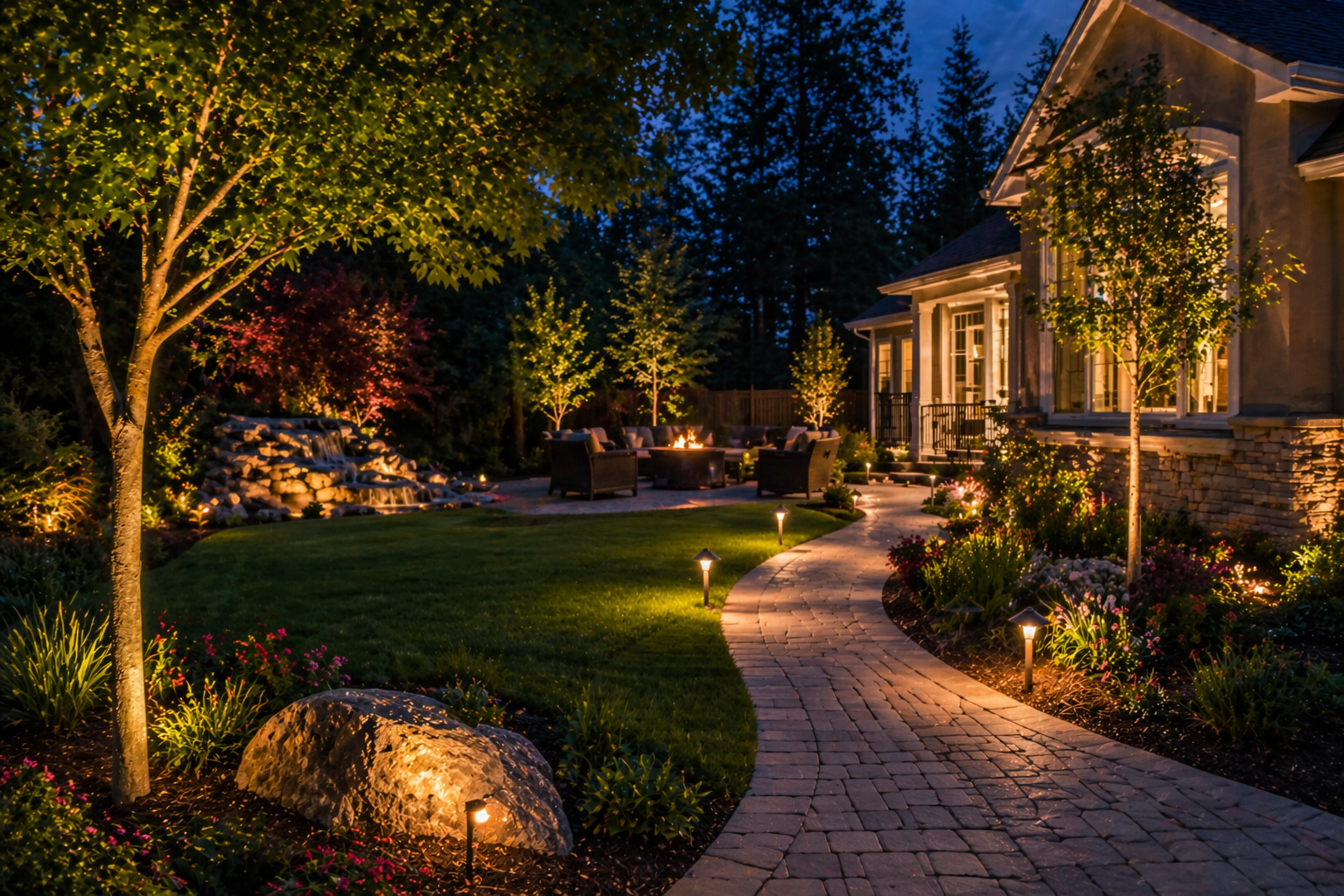
A pool is the anchor of a backyard, not the whole project. We design and build the spaces around it as part of the same plan:
- Patios — poured concrete, pavers, or natural stone, graded to drain away from the pool and house
- Fire pits — gas or wood-burning, positioned for safe clearance from water and seating
- Outdoor kitchens — grills, counters, and storage built to handle California's outdoor-living climate year-round
- Pool decks — material choice (concrete, pavers, travertine) driven by slip resistance, heat retention, and how it reads against the pool finish
- Landscape design — planting, lighting, and irrigation planned to work with the pool's water and drainage systems, not against them
Cost Factors for Concrete Projects in California
| Phase | What happens |
|---|---|
| 1. Consultation & site assessment | We evaluate your lot's slope, access, soil type, and existing utilities, and talk through budget and design goals |
| 2. Design & engineering | 3D rendering, structural engineering (required in most California jurisdictions), and a soil report where conditions call for it |
| 3. Permitting | We prepare and submit permit applications to your city or county building department, including pool barrier code compliance |
| 4. Excavation | Pool shape is staked and excavated to engineered depth and dimensions |
| 5. Steel & plumbing | Rebar frame is installed per the engineer's schedule; plumbing lines for skimmers, returns, drains, and any spa or water features are run |
| 6. Gunite/concrete shell | Concrete is sprayed to form the pool shell, steps, and benches |
| 7. Decking & hardscape | Coping, tile, decking material, and any patios, fire features, or kitchens are built out |
| 8. Interior finish & fill | Plaster, pebble, or quartz finish is applied and the pool begins filling |
| 9. Equipment start-up & walkthrough | Pump, filter, heater, and automation are activated and explained to you in person |
Typical timeline from permit approval to completion is 8–14 weeks, depending on design complexity, county permitting speed, and weather. Remodels typically run 2–6 weeks.
What Is Included in Pool Installation
A complete pool installation includes design and engineering, permitting, excavation, steel reinforcement, plumbing, electrical, the concrete or fiberglass shell, coping and tile, decking, the interior finish, filtration and sanitation equipment, and start-up service. Anything short of this list — for example, a bid that excludes permitting or decking — isn’t a complete installation and will surface as an unplanned cost later. Ask any contractor for a written, itemized scope before signing.
Concrete vs. Fiberglass vs. Vinyl Pools
| Concrete (Gunite) | Fiberglass | Vinyl Liner | |
|---|---|---|---|
| Design flexibility | Fully custom shape, size, depth | Limited to manufacturer shells | Semi-custom, limited shapes |
| Typical build time | 8–14 weeks | 3–6 weeks | 3–6 weeks |
| Upfront cost | Highest | Mid-range | Lowest |
| Long-term durability | Decades with resurfacing every 10–15 years | Very durable shell, gelcoat may fade | Liner replacement every 7–12 years |
| Best fit for California | Most flexible with slope, custom features, and expansive soils | Faster timeline, smooth surface | Budget-focused, flat and stable lots |
Concrete is the dominant choice in California specifically because it adapts to hillside lots, custom shapes, and the region’s variable soil conditions in a way prefabricated fiberglass shells often can’t.
Permits, Safety & Engineering in California
California requires a building permit for essentially all new in-ground pool construction, along with compliance with pool safety barrier requirements under the state’s Health and Safety Code — self-closing/self-latching gates, alarms, or approved fencing depending on your jurisdiction. Many counties also require a structural engineer’s stamp on pool plans, and some — particularly hillside or expansive-soil areas — require a geotechnical soil report before permits are issued. We handle permit preparation and submission as part of every project, and we’ll tell you upfront if your lot’s soil or slope conditions are likely to require additional engineering, rather than let that surface as a mid-project surprise.
Pool Maintenance & Long-Term Ownership
A well-built pool with modern equipment — variable-speed pump, salt chlorination or advanced sanitation, and automation — typically needs 1–3 hours of hands-on maintenance per month if you’re doing it yourself, or a flat monthly service fee if you hire it out. Plaster finishes generally need resurfacing every 10–15 years; pebble and quartz finishes tend to last longer. Because California’s drought conditions make water and energy efficiency a real ongoing cost concern, we default to equipment specs — cartridge filtration, variable-speed pumps, efficient heaters — that reduce both.

Benefits of Hiring a Professional Pool Contractor
- Code compliance — permit and safety-barrier requirements are non-negotiable and vary by jurisdiction; a licensed contractor handles this correctly the first time
- Engineering accountability — soil and structural issues found after the fact are dramatically more expensive to fix than accounted for upfront
- Warranty coverage — structural and equipment warranties typically require professional installation to remain valid
- Realistic timelines and budgets — an experienced contractor tells you the true cost and schedule before you commit, not after
How to Choose a Swimming Pool Contractor
- Confirm licensing and insurance — ask for a license number and verify it's active
- Ask for a written, itemized scope — vague bids hide missing line items like permitting or decking
- Ask who does the engineering — in-house or a licensed structural engineer, and whether a soil report is included when conditions call for it
- Ask about warranty terms — structural shell, equipment, and finish warranties are typically separate; get the durations in writing
- Look at completed local projects, not just renderings — ask for addresses or references in your area if possible
- Confirm who manages the outdoor living work around the pool — a separate landscaper coordinating after the fact is a common source of drainage and grading problems
Areas We Serve
Byclandscaping provides pool construction, pool installation, and outdoor living services across California, including Los Angeles County, Orange County, San Diego County, the Inland Empire, and the surrounding metro areas. If you don’t see your specific city listed, contact us — service areas expand regularly.
Frequently Asked Questions
What does a pool builder do?
A pool builder manages the entire construction process, from design and permitting to installation, finishing, and equipment start-up. Full-service builders also coordinate patios, landscaping, and outdoor living spaces.
How much does pool installation cost in California?
Costs vary based on pool type, size, site conditions, and features. We provide a detailed quote after an on-site assessment rather than a generic estimate.
How long does it take to build a swimming pool?
Concrete pools usually take 8–14 weeks after permit approval, while fiberglass and vinyl pools take 3–6 weeks. Timelines may vary due to permits, weather, inspections, and material availability.
What type of swimming pool lasts longest?
Concrete (gunite) pools typically last the longest with proper maintenance, requiring resurfacing every 10–15 years. Fiberglass is also durable, while vinyl liners usually need replacement every 7–12 years.
Concrete vs. fiberglass pools — which is better?
Concrete offers unlimited customization and suits challenging sites, while fiberglass installs faster with lower maintenance. The best option depends on your property, budget, and design goals.
How do I choose the best pool contractor near me?
Choose a licensed and insured contractor with clear pricing, written warranties, local project experience, and expertise in both pool construction and outdoor living design.
Do pool builders handle permits?
Yes. Licensed pool builders manage permit applications, engineering documents, and required safety barrier compliance throughout the approval process.
Can pool contractors build custom pools?
Yes. Concrete (gunite) pools allow fully custom shapes, depths, and features, while fiberglass and vinyl options have more design limitations.
What is included in pool installation?
A complete installation includes design, permitting, excavation, plumbing, electrical, pool shell, decking, finishes, equipment installation, and system start-up.
How much maintenance does a swimming pool require?
Modern pools typically require 1–3 hours of maintenance per month or regular professional service. Interior finishes may need resurfacing after several years, depending on the material.
Is a permit required to build a pool in California?
Yes. Most in-ground pools require permits and must meet California and local safety regulations, with additional reviews for some site conditions.
What is a gunite pool?
A gunite pool is built by spraying concrete over a steel rebar framework, allowing custom shapes and long-term durability in California’s soil conditions.
Can you build a pool on a sloped or hillside lot?
Yes. Sloped properties may require additional engineering and retaining walls, but they are often ideal for infinity-edge pool designs.
How close to my house can a pool be built?
The required distance depends on local setback rules, property lines, easements, and utilities. We verify the exact requirements during permitting.
What's the difference between pool renovation and pool remodeling?
Renovation updates existing finishes and equipment, while remodeling includes structural changes or redesigns. Both begin with a detailed inspection of the existing pool.
Ready to Start Your Pool Project?
Every pool project starts with understanding your lot, your budget, and how you actually want to use the space. Get a free on-site consultation and design conversation with Byclandscaping — no generic quote based on square footage alone.